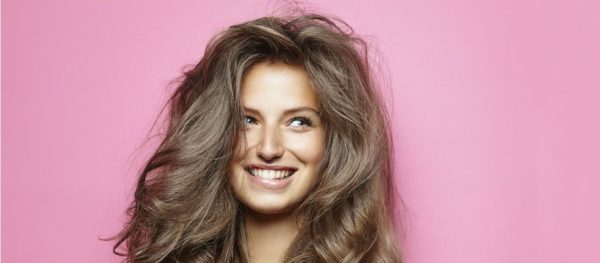
Coupe courte ou longue, stricte ou effilochée… ous êtes à la recherche d’une nouvelle coupe de cheveux ? Vous vous demandez quel type de coupe de cheveux est faite pour vous ?Avant de vous rendre chez le coiffeur, découvrez les dernières tendances en matière de coupes de cheveux et trouvez celle qui vous mettra le plus en valeur. Notre équipe éditoriale est là pour vous guider dans le choix de la coiffure parfaite pour rafraîchir votre look !
Afficher le sommaire Masquer le sommaire
- Thérapie capillaire ou prendre soin de soi pour votre bien être!
- Booster de confiance
- Soulager le stress
- Nouer une relation apaisante avec votre styliste coiffeur ou visagiste
- Quelle coupe de cheveux choisir ?
- C’est là qu’entre en jeu l’expertise d’un coiffeur-visagiste.
- Quelles tendances capillaires aujourd’hui ?
Thérapie capillaire ou prendre soin de soi pour votre bien être!
De nos jours, il semble que tout le monde, de votre voisin à votre propre grand-mère, investisse beaucoup de temps dans les soins personnels(avec le bon shampoing solide par exemple). Les soins personnels sont définis comme toute activité qui implique de prendre plus de temps dans votre journée pour prendre soin de votre bien-être mental, émotionnel et physique. Cela pourrait impliquer tout, de l’ajout d’un nouveau gommage au sucre à votre routine, en passant par un bain moussant relaxant, ou même en obtenant une nouvelle coupe de cheveux ou en soufflant. Il a été démontré que les tactiques d’autosoins augmentent le bonheur en diminuant les sentiments anxieux et les pensées déprimantes.
Les stylistes de salons de coiffure ont été témoins de nombreux effets positifs qu’une nouvelle coupe de cheveux ou un nouveau style peut avoir sur la confiance et la santé mentale de première main. Ci-dessous, nous avons souligné plusieurs des avantages que la coiffure peut avoir sur votre bien-être mental, émotionnel et physique:
Booster de confiance
Parfois, il faut un nouveau regard pour nous donner un coup de pouce supplémentaire à l’estime de soi dont nous ne réalisons peut-être pas que nous avons besoin. Un léger changement de couleur, de nouveaux reflets ou une coupe plus courte peuvent changer radicalement la façon dont nous nous sentons.
Si vous vous sentez dans le marasme ou la déprime, que vous avez besoin de mélanger ou que vous cherchez simplement à trouver un nouvel ajout à votre routine beauté et d’auto soins, une nouvelle coupe de cheveux ou une éruption de fantaisie peut simplement appeler votre nom. Jetez un œil à ces coiffures pour vous inspirer avant votre prochain rendez-vous capillaire pour quelques transformations motivantes.
Soulager le stress
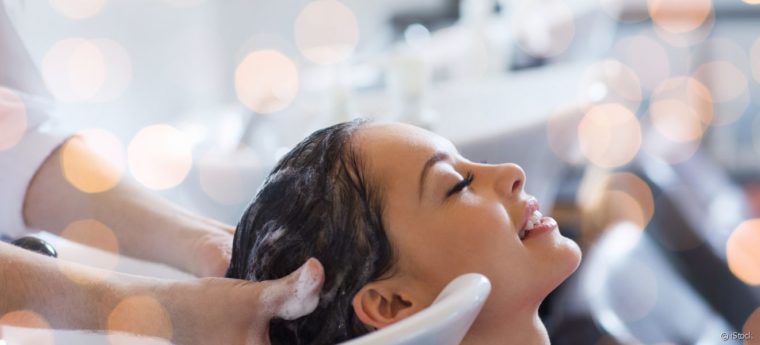
De nos jours, nous avons souvent du mal à ralentir et à prendre quelques minutes pour nous détendre paisiblement. Nous permettre de nous asseoir et de nous détendre est beaucoup plus facile à dire qu’à faire lorsque nous avons des listes de tâches longues ou des tâches intimidantes à l’esprit. A essayer: le massage du cuir chevelu. Les massages du cuir chevelu favorisent non seulement la circulation dans le cuir chevelu, mais ils aident également à garder le sang qui coule vers vos follicules pileux et renforce les niveaux sains d’huiles et de nutriments.
Si vous avez du mal à trouver le temps supplémentaire pour un régime d’autosoins, il est peut-être temps de planifier une coupe, une couleur dans votre salon local et de vous permettre de prendre cette pause bienheureuse des responsabilités de la vie.
Nouer une relation apaisante avec votre styliste coiffeur ou visagiste
Construire une relation de confiance avec votre styliste peut être bénéfique pour bien plus que vos cheveux. Parfois, votre coiffeuse peut devenir thérapeute personnel, amie ou même consultante. Il peut être constructif pour votre bien-être mental, physique et émotionnel de prendre cette heure ou deux pour exprimer vos difficultés personnelles, récapituler de nouvelles aventures passionnantes ou simplement discuter de la façon dont votre journée se déroule après les heures de boulot.
Le coiffeur peut vous aider à répondre à vos besoins d’auto soins. Asseyez-vous, détendez-vous et laissez les professionnels vous offrir la coupe de rajeunissement.
Il y a aussi la relation avec vos proches comme votre homme ou votre garçon: faites leur un petit plaisir ou un cadeau pour partager votre nouvelle coiffure, voir aussi: Coupes de cheveux pour hommes les coiffures pour hommes les plus admirées
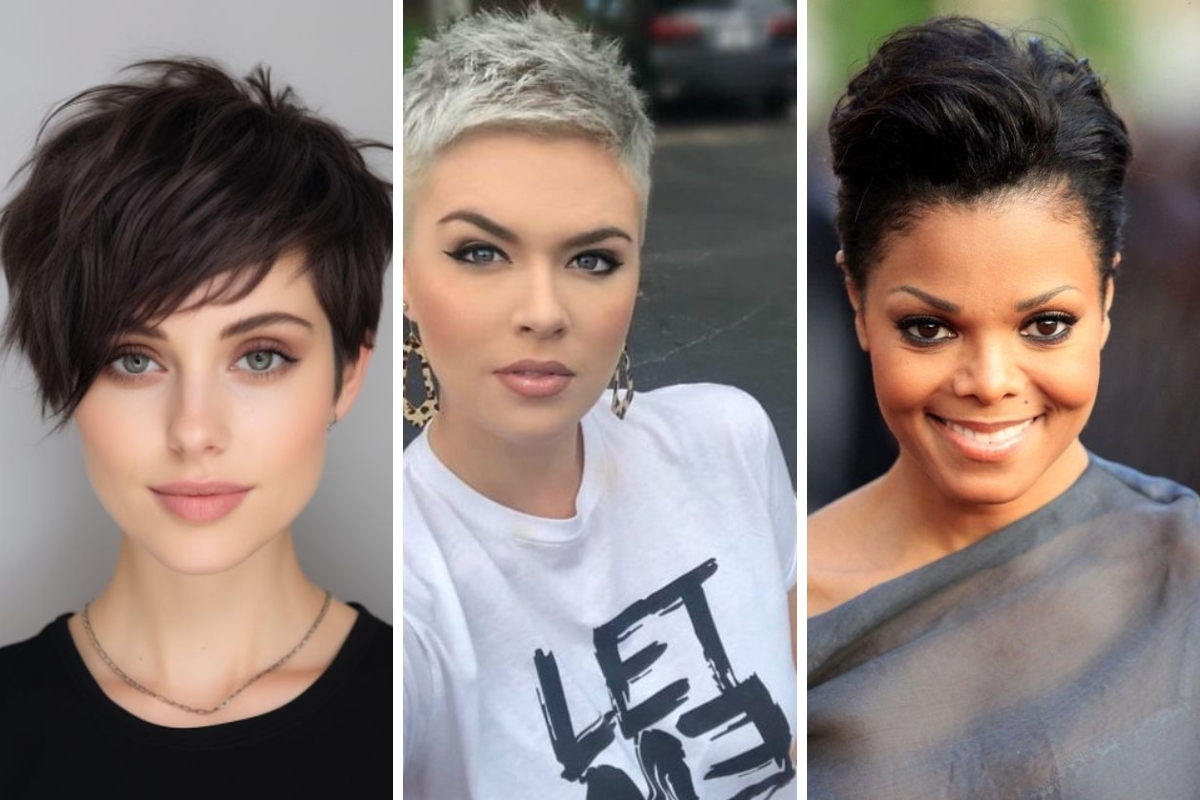
Quelle coupe de cheveux choisir ?
Raccourcir ses longueurs de temps en temps c’est une chose. Mais si l’on souhaite changer radicalement de coupe de cheveux, mieux vaut demander conseil à un expert en la matière : le coiffeur visagiste. La différence ? Il nous conseille et adapte la coupe à notre visage.
À chaque fois que l’on franchit la porte d’un salon de coiffure, on se pose la même question : « Quelle coupe de cheveux m’ira le mieux ? ».
Difficile de s’y retrouver entre les tendances coiffure qui changent à chaque saison et les coupes de cheveux intemporelles parfois jugées trop classiques.

C’est là qu’entre en jeu l’expertise d’un coiffeur-visagiste.
À chaque type de cheveux des coupes adaptées
Cheveux longs, mi-longs, courts, lisses, bouclés, de nature fins ou épais… Il existe autant de types de cheveux que de longueurs. Et donc une multitude de possibilités.
Seul un visagiste est en mesure de nous aider à déterminer notre coupe de cheveux idéale.
En effet, une coiffure qui correspond à un visage rond ne convient pas forcément à un visage carré ou à un visage ovale.
Sans oublier que « l’expert des ciseaux » est le seul à même d’ajuster la longueur de la coupe ou son dégradé pour mieux mettre en valeur notre visage selon la forme de nos yeux, de notre bouche ou la hauteur de nos pommettes.
Des détails, en apparence, mais qui ne sont pourtant pas à négliger pour valoriser nos traits.

Quelles tendances capillaires aujourd’hui ?
Quelle que soit notre longueur de cheveux, cette année, la légèreté est de mise.
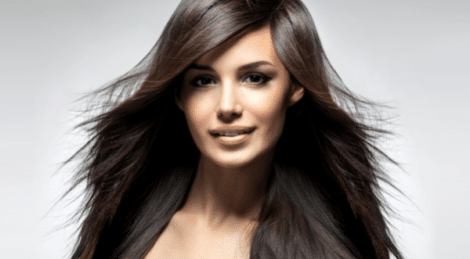
À nous les coupes dégradées qui permettent à nos cheveux de voler au vent, sans avoir l’impression d’avoir un casque sur la tête.
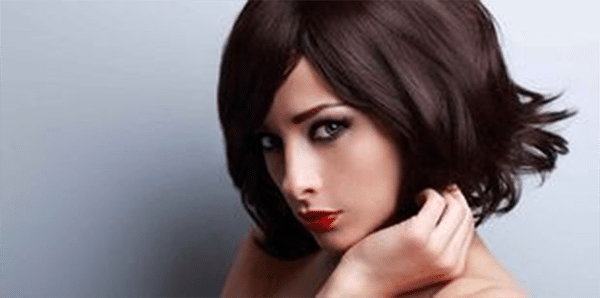
Envie d’apporter un peu de structure ? On opte pour une jolie frange ou une mèche sur le côté. Elles permettent de changer de tête sans vraiment changer de coupe de cheveux.
Une belle coupe de cheveux, des conseils coiffure et beauté, et hop, vous voilà belle et bien dans sa peau!